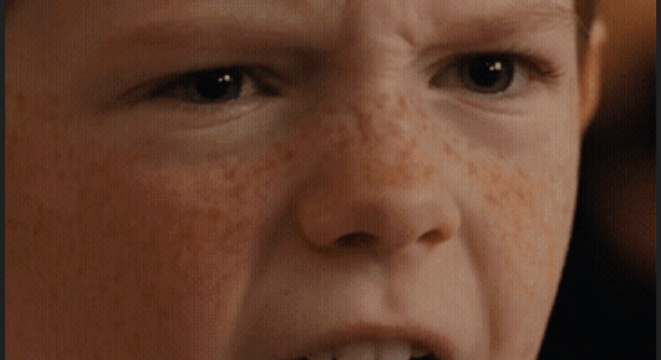
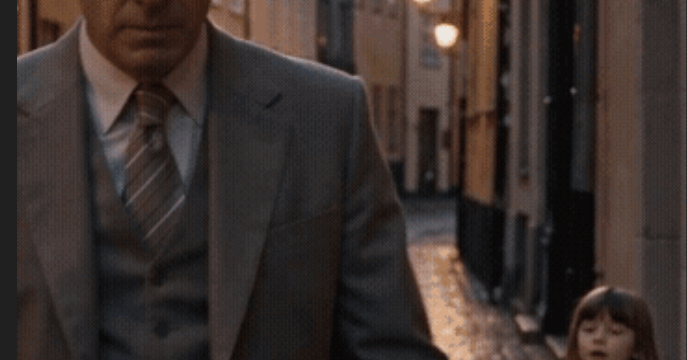
A terrified little girl begged strangers for help, but she had no idea she had just awakened the hearts of men the world had already written off.
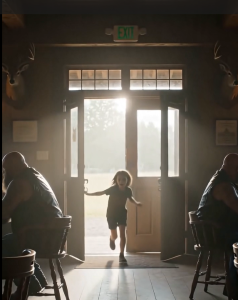
On the far edge of the city, where streetlights faded and sidewalks emptied before midnight, there was a bar most decent people avoided. Everyone nearby knew about the place, even if they pretended not to. It was where men with hard pasts went when the rest of the world no longer wanted to look them in the eye. Inside, the air was thick with smoke, stale whiskey, and wet leather. Around the room sat men whose names had appeared in court records, prison files, and whispered warnings. They were older now, quieter, scarred in ways that did not always show, but no one mistook their silence for kindness. This bar belonged to them. Strangers did not wander in. There were rules here, and the first was simple: mind your own business. At the counter sat the man everyone obeyed without being told. His name was Victor Hale, though most people never used it unless they had to. He was built like a wall, with broad shoulders under a worn black coat and tattoos down both arms. There were stories about what he had done, and worse stories about what he could still do if pushed far enough. In that room, no one doubted that if trouble walked through the door, Victor could finish it before most men had time to stand. That night, he sat alone with a glass of whiskey in front of him. Rain tapped against the roof. Then the door flew open. It slammed back so hard that every head turned. Cold wind rushed inside, carrying rain and panic. Then a little girl stumbled in. She could not have been more than six years old. Every man went still. A man near the back muttered something, then stopped when the child ran forward. She moved straight through the room, past tables of men who had once frightened grown adults, and stopped in front of Victor Hale. The most dangerous man there. She had to tilt her head back to look at him. Her lips trembled, but her eyes did not turn away. “Please,” she gasped. “Please help. My mom… they’re hurting her. Please.”
The words came out broken and uneven. She sounded as if she had run too far on legs too small to carry so much fear. For a moment, the only sound in the bar was the rain and her shaky breathing. No one moved. A few men exchanged looks. One gave a short, uncomfortable laugh, more from surprise than cruelty. Another looked toward the door, as if expecting someone to drag the child back outside. Most stared at her, unsure what to do with something so innocent in a place built for men who had spent their lives learning not to care. They were not heroes. They knew that better than anyone. They had taken things, broken things, ruined lives, and paid for some of it behind bars. They had learned to survive by turning away from other people’s pain. Trouble that did not belong to them stayed outside. That was how they stayed alive. But the girl did not understand their rules. She grabbed Victor’s coat as if he were the only solid thing left in the world. “Please,” she whispered. “I don’t know what to do.”
Every eye shifted to Victor. He looked down at the child. His expression did not change. Slowly, he set his glass on the counter. The soft click sounded louder than it should have. For several long seconds, he said nothing. The men waited, expecting him to push her away, call the police, or order someone to take her out before trouble followed. That would have made sense. That was what their world understood. Instead, Victor stood. The stool scraped across the floor. His shadow fell over the girl, and she flinched, but she did not let go. Victor looked across the room, from one scarred face to another. “Keys,” he said. No one reacted at first. Then an older man named Tomas tossed keys onto the counter. Another man stood. Then another. Chairs moved back. Boots hit the floor. The quiet bar changed in seconds. Men who had ignored danger for years began reaching for coats, phones, and flashlights. Victor crouched so his face was level with the girl’s. “What’s your name?” he asked. “Lily,” she said. “Lily,” he replied, “you’re safe now. Show us where.”
Something in his tone made the child stop shaking. She nodded and pointed toward the street. They moved together, a line of men stepping into the rain behind one little girl. Anyone watching would have seen former convicts, men with tattoos and prison eyes, following a trembling child through puddles and darkness. Two blocks away, Lily led them to a narrow apartment building with a broken front light. From inside came shouting, a crash, and a woman’s cry. Lily covered her ears. Victor gently moved her behind him. “Stay with Tomas,” he said. The old man wrapped his coat around the girl’s shoulders and led her back. Victor knocked once, hard enough to rattle the frame. The shouting stopped. A man inside barked, “Who is it?”
Victor’s answer was calm. “Open the door.”
The man made the mistake of opening it. Victor did not lose control. He stepped inside with three men behind him, and the room went silent. Two angry strangers stood near a terrified woman whose lip was bleeding. A lamp lay broken on the floor. The woman looked toward the doorway and saw Lily’s small face behind Tomas. Then she saw Victor. Maybe it was his size. Maybe it was the way the other men stood behind him. Whatever it was, the fight drained out of the room. “Sit down,” Victor said. The two men sat. One tried to argue, but Tomas had already called the police. Another man found a blanket and placed it around Lily’s mother. Someone else brought water. A former getaway driver stood at the window and watched the street. A man who had once terrified half the neighborhood knelt beside Lily and told her a clumsy joke until she stopped crying. By the time the police arrived, the situation was under control. The officers looked stunned when they saw who had helped. They knew most of the faces in that room, and not for good reasons. Yet there they were, standing quietly while a young mother held her daughter and wept with relief. An officer asked Victor why he had gotten involved. Victor looked at Lily, who was wrapped in Tomas’s coat and holding her mother’s hand. “Because she asked,” he said. No one in the bar spoke much about that night afterward. Men like them did not know how to discuss tenderness without feeling exposed. But something changed. The next week, a small sign appeared near the door: If you need help, knock. People laughed at first. Then they stopped laughing when they saw the men meant it. And long after the city forgot the details, people still told the story of the little girl who walked into the most dangerous bar in town and found, hidden beneath all those scars, the kind of courage no prison could take away.