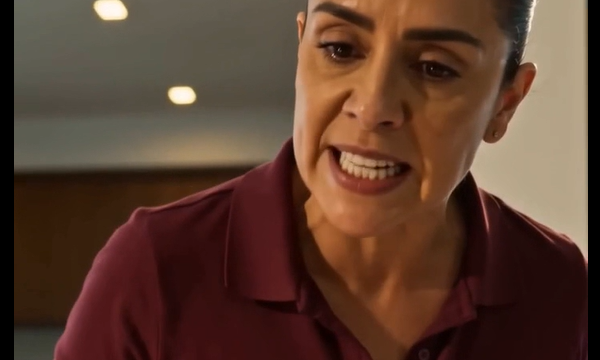
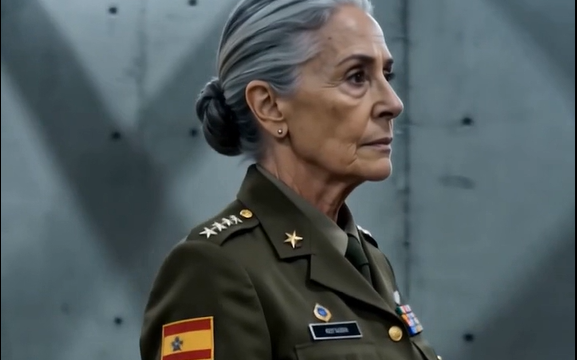
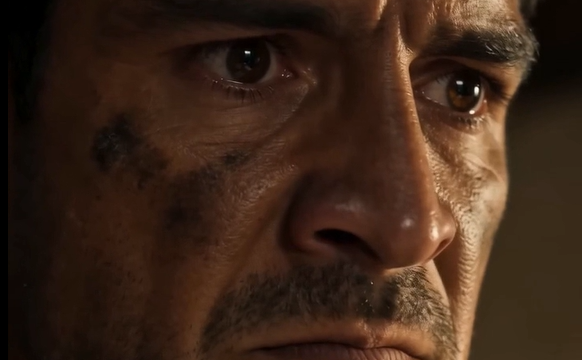
Harold Bennett believed success had one proper shape. It wore pressed suits, sat behind polished desks, and carried business cards that impressed strangers. Anything else was failure wearing work boots.
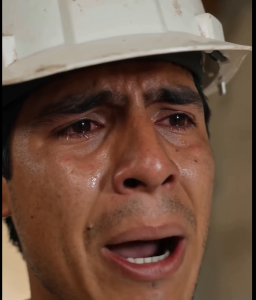
That was why he could barely look at his son Mason without sighing.
Mason was thirty-four, broad-shouldered, quiet, and usually dusty by the time he came home. He worked construction, leaving before sunrise and returning with concrete on his pants, scratched hands, and the calm exhaustion of a man who earned every dollar honestly. To most people, Mason looked dependable. To Harold, he looked like wasted potential.
“You had every chance,” Harold said whenever relatives visited. “College, connections, a family name. And you chose a hard hat.”
Mason never argued. He lowered his eyes, took another bite, or helped his mother, Elaine, clear the plates. His silence annoyed Harold more.
At church lunches, Harold introduced Claire as “a corporate attorney in Chicago.” He introduced Mason as “the one who works construction,” with a little laugh, as if sharing a joke. Mason shook hands anyway, polite and steady.
Elaine saw it all. She saw Mason’s jaw tighten and watched him change shirts in the garage, hoping to avoid another lecture. She saw Harold’s pride harden into cruelty, and it broke her heart.
One Saturday morning, the family gathered for Harold’s seventieth birthday at the Maple Ridge Country Club. Harold wanted linen tablecloths, silver coffee pots, and people who would admire the life he had built. Claire flew in with her husband. Mason arrived last, wearing clean jeans, a navy work jacket, and boots scrubbed but not rescued from his trade.
“You couldn’t wear a suit?” he asked, loud enough for the nearest table to hear.
Mason glanced down. “I came straight from checking a site. I didn’t want to be late.”
“A site,” Harold repeated. “Of course.”
Elaine touched his arm in warning, but Harold was already performing for the room.
“My son builds walls,” he told an old banking friend. “Some men build companies. Mason builds walls.”
The friend chuckled uncomfortably. Mason smiled faintly and looked toward the windows.
The brunch continued, but the air around their table felt heavy. Claire tried to change the subject. Harold kept circling back to Mason as if his job stained the family portrait.
Then the country club manager entered with two men in suits and a nervous event coordinator holding a clipboard.
“Mr. Bennett?” the manager asked.
Harold straightened, pleased. “Yes?”
“I’m sorry to interrupt, sir, but we have a structural concern in the east wing. There was a loud crack near the ballroom ceiling. We cleared that area, but the city inspector is delayed, and our staff is unsure whether to evacuate the building.”
A murmur spread through the room.
Harold frowned. “Why are you telling me?”
The manager hesitated. “Because your son is here.”
Harold blinked. “My son?”
The manager turned toward Mason with relief. “Mr. Bennett, I apologize for disturbing your family event, but would you take a quick look? Your firm handled the old courthouse restoration, and our board mentioned your expertise when we started our renovation.”
The room went quiet.
Harold slowly turned toward Mason. “Your firm?”
Mason stood, calm but uncomfortable. “I can take a look.”
He followed the manager out before anyone could ask another question. Harold remained seated, his mouth slightly open. Claire stared at her brother’s empty chair. Elaine folded her hands, tears gathering in her eyes.
Twenty minutes passed. Harold’s banking friend leaned closer.
“I didn’t know Mason owned Bennett Heritage Construction,” he said.
Harold’s face drained of color. “Owned?”
The man looked surprised. “You didn’t know? They’re one of the most respected restoration companies in the state. Historic buildings, public contracts, private estates. My bank financed their projects.”
Before he could respond, the manager returned with Mason, the suited men, and the club president. Mason had removed his jacket. His sleeves were rolled up, and dust marked one forearm, but he stood with the quiet authority Harold had never bothered to see.
“We’re evacuating the east wing only,” Mason said. “The crack is in decorative plaster, but there’s water damage above it needing immediate attention. I called my engineer. No one should enter that section until temporary supports are placed.”
The club president shook his hand. “Mason, thank you. You may have prevented a serious accident.”
Mason nodded. “Your staff did the right thing by clearing the room.”
Another man stepped forward. “We appreciate your help, Mr. Bennett. Congratulations on the Riverside Library award. That project saved a landmark.”
Harold heard every word as if it came from far away.
Award. Firm. Respected. Landmark.
This was the son he had mocked at family dinners and in front of strangers. This was the “simple laborer” he treated like an embarrassment. Mason had not failed. He had built something strong enough that important people called when safety mattered.
When Mason returned to the table, no one spoke. Harold stared at his son’s hands, the same hands he had criticized for being rough. Now he saw them differently. They were the hands of a builder, a protector, a leader.
“I didn’t know,” Harold whispered.
Mason sat slowly. “I know.”
“Why didn’t you tell me?”
Mason looked at him, not with anger, but with the tired sadness of someone who had stopped expecting to be understood. “I tried, Dad. Years ago. You said construction was nothing to be proud of. After that, my work could speak for itself.”
Elaine wiped a tear from her cheek. Claire reached across the table and squeezed Mason’s arm.
Harold’s pride, polished for decades, suddenly felt small and cheap. He had mistaken appearance for worth. He had confused clean shoes with character. Worst of all, he had humiliated the one person who kept showing up with patience, loyalty, and quiet dignity.
“I am sorry,” Harold said, his voice breaking. “Not because others respect you. Because I should have respected you first.”
Mason looked down as the table waited.
Finally, he nodded. “That’s all I ever wanted.”
The birthday brunch did not continue as Harold imagined. There were no grand speeches about his career, no proud stories about titles or promotions. Instead, Harold stood before his guests and told the truth.
“My son builds more than walls,” he said. “He builds places that last. Today, he taught me that honest work never needed my approval to have dignity.”
For the first time in years, Mason smiled openly.
After that day, Harold changed slowly, but sincerely. He visited one of Mason’s restoration sites, wearing a hard hat without making a joke. He watched crews preserve stone, repair old beams, and bring a forgotten building back to life. He saw intelligence in every measurement and pride in every worker there before dawn.
And when someone asked what his son did, Harold no longer laughed.
“He builds,” Harold would say, standing a little taller. “And I am proud of him.”
By then, Mason no longer needed the words to prove his worth. But hearing them still mattered. Some wounds heal not because the past disappears, but because truth steps into the room and refuses to be ignored.