When a teenage ballerina felt ashamed of her hardworking father in front of her classmates, she made a choice she would regret forever. What happened moments later taught everyone in the room a lesson about love, sacrifice, and family that they would never forget.

Anna stormed out of the house, slamming the front door so hard that the sound echoed through the small home. Tears burned in her eyes as she walked away. At that moment, she felt completely misunderstood. No one seemed to understand how important ballet was to her, how much she wanted to fit in with the other dancers, and how badly she wished her life looked different.
Inside the house, her father remained standing in the hallway for several seconds. In his rough, weathered hands were the old ballet shoes that had become the source of their argument. He looked down at them quietly, lost in thought. Then, without saying a word, he picked them up and left for work.
The day ahead was long and exhausting. He spent hours at a construction site under the sun, lifting heavy materials and working through fatigue. Yet even while carrying out his duties, his thoughts continually returned to his daughter.
He remembered the disappointment on her face. He remembered the frustration in her voice. Most of all, he remembered how much she loved dancing.
During his lunch break, while the other workers rested and talked, he sat alone with the worn ballet shoes. Carefully, he brushed away the dirt. He cleaned every stain he could find and washed the areas that looked especially worn. Then he searched through the supplies available at the site and found a small amount of gold paint.
With patience and determination, he began restoring the shoes.
Each brushstroke was applied with care. He worked slowly, treating the shoes as if they were something priceless. To him, they represented his daughter’s dream.
When the workday finally ended, the shoes looked remarkably different. They were not brand-new, and they still carried signs of wear, but they had been transformed. The faded fabric now shimmered softly. The shoes looked elegant, special, and full of life again.
For the first time all day, Anna’s father smiled.
He imagined how happy she might be when she saw them. He pictured her practicing confidently and performing without worrying about her shoes. The thought filled him with hope.
Still dressed in his dusty work clothes, exhausted from a full day of labor, he headed straight to the dance academy.
Inside the ballet studio, rehearsal was underway. The students stood at the barre, concentrating on their movements while the instructor watched closely. Soft music filled the room as the dancers repeated each exercise with discipline and focus.
Anna kept her attention on the lesson, trying not to think about the argument from earlier.
Then she noticed whispers spreading through the studio.
One dancer glanced toward the doorway and frowned. Another turned around. Within moments, nearly everyone in the room was staring in the same direction.
“Who is that?”
“What is he doing here?”
“Why is he dressed like that?”
“Did he come from a construction site?”
The murmurs grew louder.
At first, Anna paid little attention. Then she turned around.
The moment she saw the man standing in the doorway, her heart nearly stopped.
It was her father.
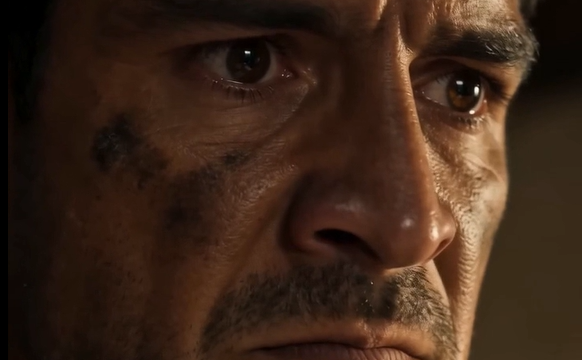
He stood there wearing his old work jacket. Dust covered his clothes, and signs of a long day’s labor were visible on his face. Yet despite his exhaustion, he was smiling.
In his hands were the ballet shoes.
“Anna,” he said warmly. “I brought your shoes. Look, I fixed them for you. Now you can practice and perform without worrying.”
For a brief moment, the room became completely silent.
Then someone laughed.
Another dancer joined in.
Soon several students were giggling openly.
“Is that really your father?”
“Oh wow.”
“How embarrassing.”
The laughter spread across the room like a wave.
Anna felt heat rush to her face.
Every eye seemed focused on her.
In that moment, she had a choice. She could walk over to her father. She could thank him for spending his lunch break restoring her shoes. She could acknowledge the sacrifice he had made after working all day just to bring her something he believed would make her happy.
But fear took over.
She became afraid of the judgment around her.
She became afraid of standing out.
Most of all, she became afraid of being associated with the man whose rough hands and dusty clothes revealed the difficult life he lived to support her.
Trying to escape the embarrassment she felt, Anna made a decision she would soon regret.
“That’s not my father,” she said sharply.
The words cut through the room.
“He’s my father’s assistant.”
Silence followed.
Her father stopped smiling.
The change in his expression was immediate but subtle. The joy that had filled his face disappeared, replaced by quiet sadness.
Still, he held the shoes carefully in his hands.
Anna walked quickly toward him.
Instead of thanking him, she grabbed the shoes.
In a burst of frustration and embarrassment, she threw them onto the floor.
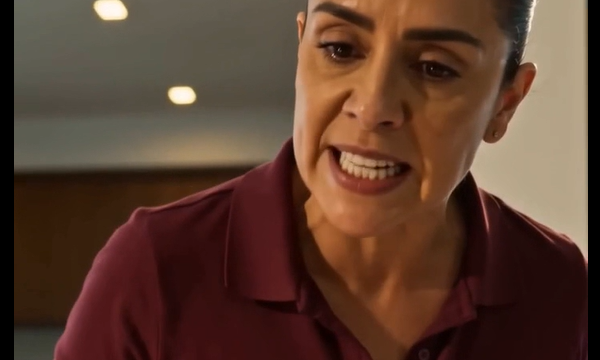
“Please leave,” she said loudly. “You’re embarrassing me.”
The room became silent once again.
No one laughed now.
No one spoke.
Anna’s father did not argue.
He did not defend himself.
He did not remind her of the hours he had spent working. He did not mention the lunch break he sacrificed to restore the shoes. He did not criticize her for her words.
Instead, he simply looked at her.
There was disappointment in his eyes, but there was also understanding.
Slowly, he bent down and picked up one of the shoes that had fallen to the floor. He placed it beside the other one.
Then he turned and walked toward the door.
His steps were slow and quiet.
The room watched in silence.
As he reached the exit, something unexpected happened.
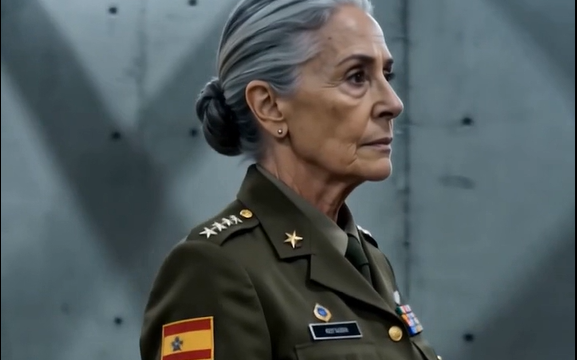
The ballet instructor, who had witnessed everything, stepped forward.
She picked up the shoes from the floor and examined them closely.
The room remained silent as she studied every detail.
Then she looked up at the students.
“Do any of you know what these shoes represent?” she asked.
No one answered.
“These shoes are not just shoes,” she continued. “They are proof of love, sacrifice, and dedication.”
The instructor held them up for everyone to see.
“A father worked all day at a physically demanding job. During his break, instead of resting, he spent his time restoring these shoes. After finishing work, he came here immediately because he wanted his daughter to be happy.”
The students lowered their eyes.
The instructor’s voice softened.
“Many people spend their lives searching for someone who loves them this much.”
Anna felt a knot form in her stomach.
For the first time, she truly saw what everyone else now understood.
Those shoes were not symbols of poverty.
They were symbols of devotion.
The dusty jacket at the door was not something to be ashamed of.
It was evidence of hard work, responsibility, and sacrifice.
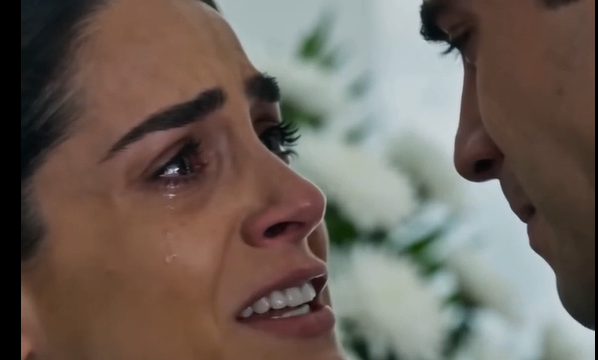
As the realization settled over her, regret flooded her heart.
She rushed toward the doorway, hoping to catch her father before he disappeared.
In that moment, Anna finally understood that the greatest gift her father had ever given her was not the repaired shoes.
It was the unconditional love behind them.